The language barrier is a major obstacle for most native English speakers trying to research historic Japanese customs. The lion’s share of information on the subject comes from Japanese-language sources, meaning that doing an internet search for “What did Heian ladies use to wash their hair?” will give mediocre results, while a search for the translated phrase “平安時代の女性は髪を洗うのに何を使っていたのか” will give results that are both more extensive and more reliable in citing their sources.
There are some areas of language study that have a great effort-to-reward ratio. Learning hiragana (the basic syllabary) will enable you to pronounce words you don’t know, and can realistically be done in about a month. Learning the radicals is what enables you to look at a complex character and break it down into understandable components: if you see 艹 as part of a character, you know it’s something about a plant or flower. Wanikani is great for learning radicals. I also highly recommend learning the N5 (beginner-level) kanji, many of which are very intuitive, like 口 for a mouth or opening. Apps like Lingo Legend gamify the process and make it easier to create a daily study habit. Finally, familiarizing yourself with specialty terms you use often is very helpful, especially the various eras such as the Muromachi Period (室町時代).
Basic translation engines such as Google Translate have greatly improved over the years, and a translation browser extension is a must-have. However, they do still struggle with specialty terms like the names of garments. If there is a specific field of research where you spend most of your time, you’ll begin to notice consistent mistranslations. For example, if I see the term “mizukan” in my clothing research, I know that it should be translated as “水干/suikan”, a garment with a round collar. A quick look at a Japanese dictionary such as Jisho will show that the character for “water”, 水, can be pronounced either as “sui” or “mizu”. Another type of common error you may see occurs when the same word has multiple meanings. An example of this is the term for basting (仕付け/shitsuke) being translated as “discipline” (admittedly, basting does make the fabric behave better). I recommend giving the extensions you’re considering a side-by-side test drive by asking all of them to translate the same paragraph and comparing the outputs. Some translation engines are also designed to help you learn the language as you use them.
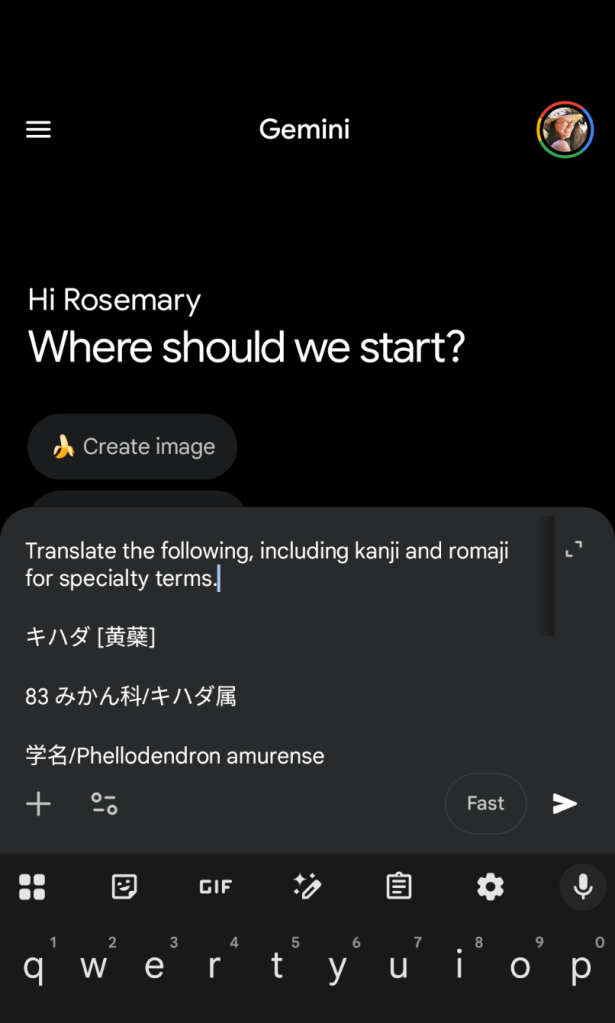
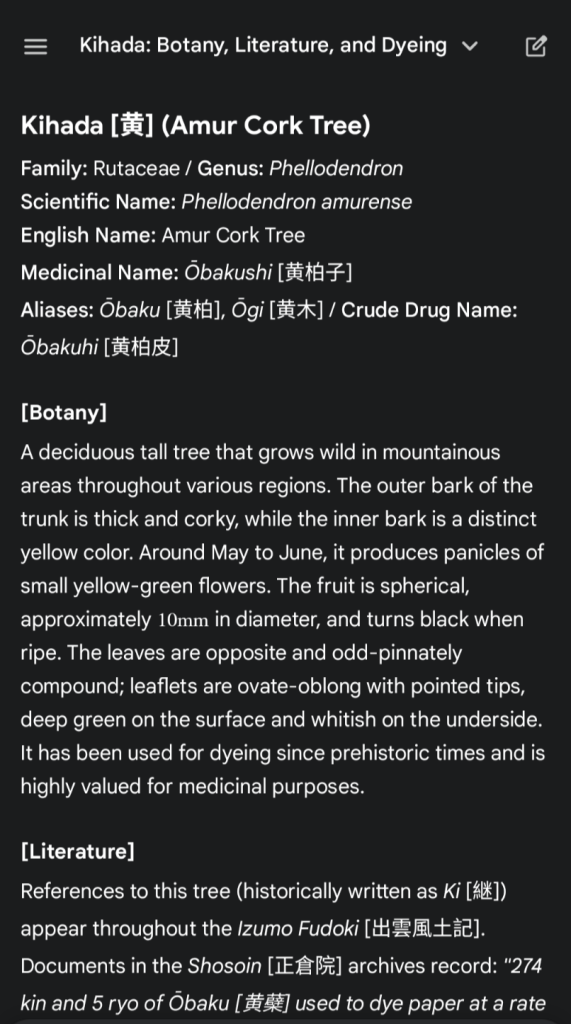
AI translation extensions such as DeepL are available, but I have not found one that will translate full pages for free. A good compromise is to use a basic translation extension for everyday use, and if you need to take a more detailed look at something, copy and paste the text into your AI. I’ve been very impressed by Google Gemini and Microsoft Copilot for AI translation; both can make sense of specialty terms and easily confused sewing instructions such as the right and wrong side of the fabric vs. the exterior and lining fabric. An additional advantage of AI translation is the ability to customize it to your needs, such as by asking it to include both the original Japanese characters and the transliteration (romaji) for specialty terms.
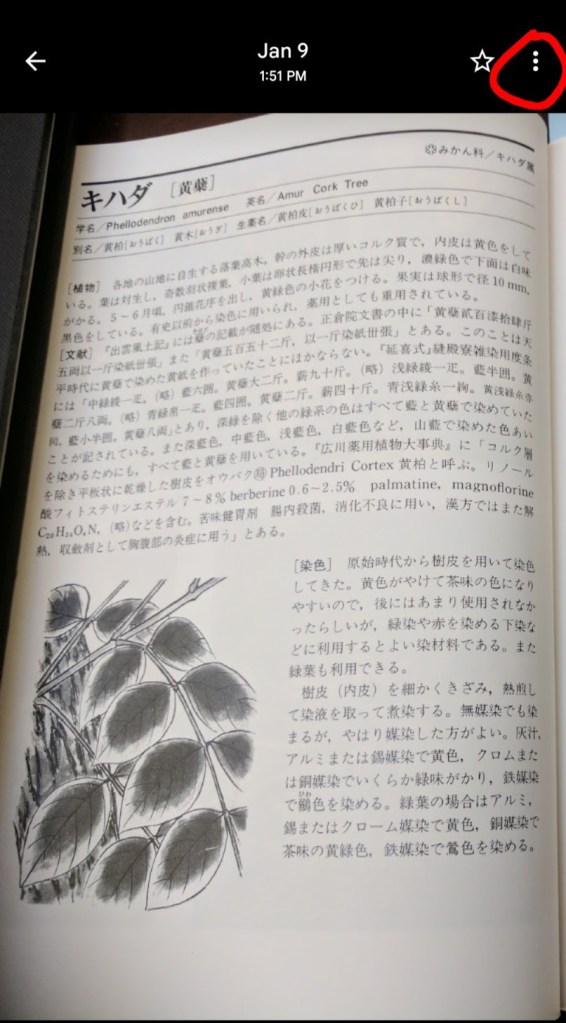
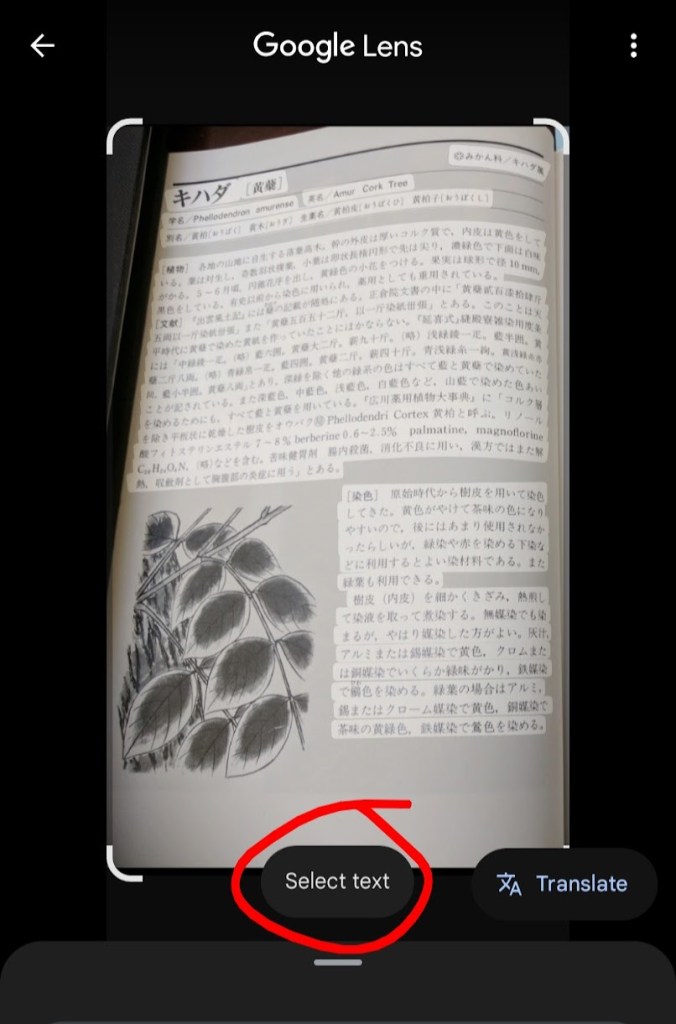
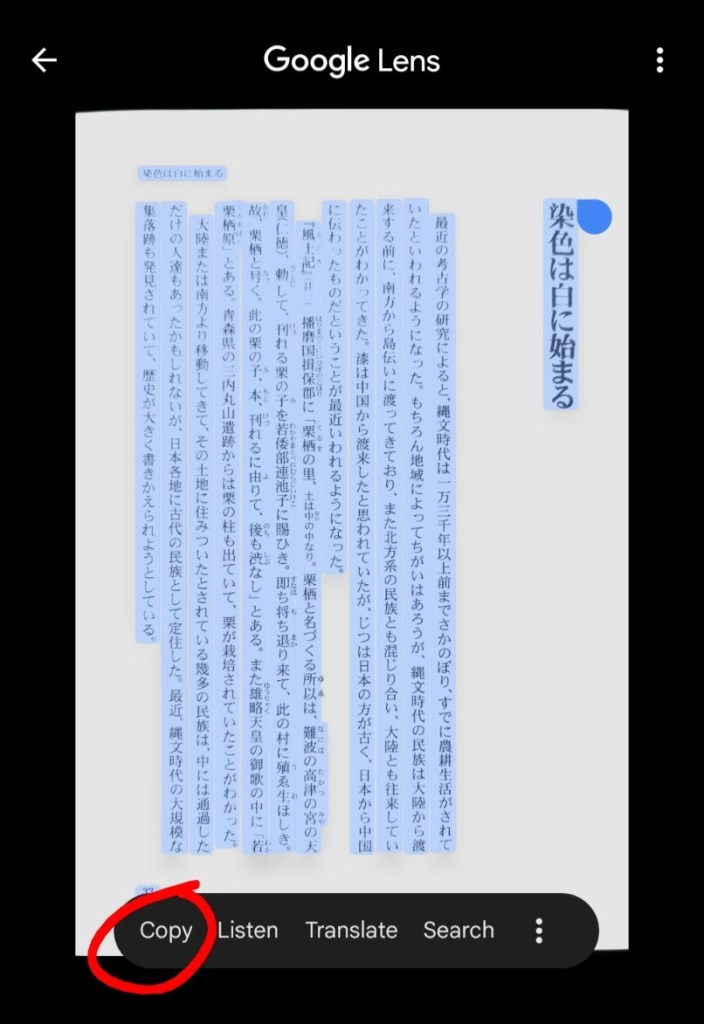
The following is a step-by-step description of my usual translation process, starting by taking a photo using my phone, which automatically imports it to Google Photos. For the purpose of this article, I clocked how long this method takes from photo to translation, and the answer is 22 seconds.
The excerpt page is from Kusakizome Senryō Shokobutsu Zukan by Seiju Yamazaki.
 旦暮庁 TANBO-CHŌ
Leave a comment