Mordants:
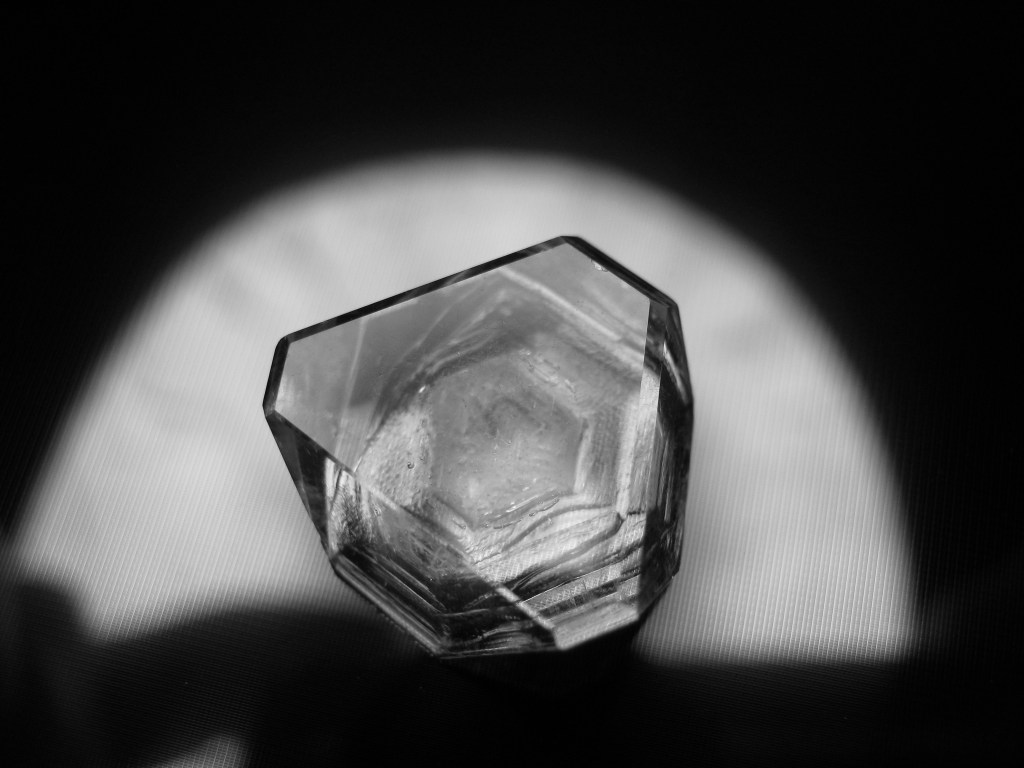
Mordants are substances that interact with dye to help fix them on the fabric, sometimes changing the color in the process. Different mordants act in different ways, but to give a well-studied example, dyer’s alum (potassium aluminum sulfate) can combine with madder to form an insoluble pigment (lake). When the dye and mordant combine on the fiber, the now-insoluble dye will stay bound to the fiber rather than rinsing off.
Alum (alunite, potassium aluminum sulfate) was mined in volcanic areas of Japan; we have records dating from around the year 700 (Cardon). Mineral alum (hanishi) was used for imperial murasaki purple and haze yellow garments (Komiyama, Yamazaki).

Lye was often made from the ashes of aluminum-accumulating plants such as camellia (the tea plant) or Symplocos sawafutagi, also called S. chinensis, so that it would act as an alum mordant as well as an alkaline modifier. Ash is included in dyeing recipes dating back to the year 927. To make wood ash lye, take the ashes from a fireplace and combine them with a gallon of water. Let this mixture sit for about a week, then strain out any solids. Medieval dyers likely checked the strength of the lye by rubbing their fingers together in it and checking whether it was slippery (Wada), but I recommend using pH paper to avoid getting it on your skin. You’re aiming for pH 10 – higher pH can damage the silk. You can make the lye stronger by boiling off some of the water, or weaker by adding more water. Lye is caustic, so wear eye protection and gloves. To use camellia ash lye as alum mordant, dip the fabric in the lye then let it dry in the sun. Repeat this process up to 30 times for good mordanting (Cardon).
Iron acetate was used to turn tannin browns into grey or black, and darken reds like madder and sappanwood to purple. You can make iron acetate by putting scrap iron such as steel wool or rusty nails into a 50:50 mix of water and vinegar (acetic acid) and letting the mixture sit until it turns black. Variations of this chemical reaction were used for ohaguro (tooth blackening). Mud was also used as an iron source in some areas (Cardon).
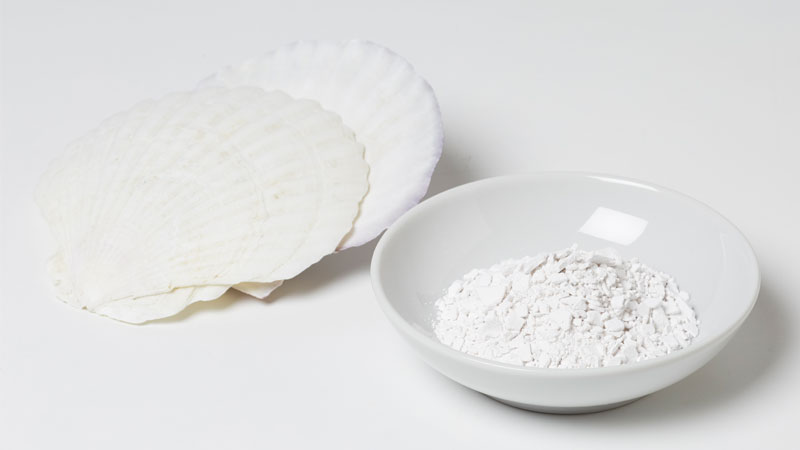
Calcium hydroxide (slaked lime) was used beginning in the Muromachi period as an alkaline agent (Stinchecum). Komiyama suggests that calcium acetate was used in the 700s to make murasaki purples more colorfast. Calcium acetate can be made by combining calcium carbonate with vinegar. A major medieval source of calcium carbonate was gofun (ground seashells). You can make calcium acetate at home by combining agricultural lime or chalk with vinegar (do this outside: the reaction is stinky).
Vinegar made from ubai (smoke-dried ume fruits) was used as an acidifier (Stinchecum). Other vinegars may also have been used. Acids tend to shift red to orange and purple to pink. Adjusting the pH is particularly important when using safflower.
Dyes:
General outline for traditional Japanese dyeing, adapted from Cardon:
- Thoroughly extract dye from materials:
- Boil in neutral, acid, or alkaline water, depending on desired shade
- Plants and leaves: boil twice (boil, pour off dye, add new water, boil again, combine both dye baths)
- Bark, flowers and berries: boil four times
- Wood and roots: boil six times
- Leave dye bath to oxidize a day or two
- Dye/mordant/dye cycle:
- Boil silk in dye 10-15 minutes, cotton 20 minutes, leave to cool in dye bath
- Mordant for 30 minutes, dissolving mordant in hot water and diluting until lukewarm
- Aluminum acetate (5% weight of fabric)
- Iron acetate (1% weight of fabric)
- Wood ash pH 10
- Second dye bath, silk: neutral pH, immerse just after boiling; cotton: boil in pH 8 bath for 20 minutes. Leave in bath until cool.
- Rinse, dry in sun
The Engishiki is a book of laws and customs dating from 927. Fascicle XIV contains a section titled Miscellaneous Dye Supplies, listing the quantities of ingredients necessary to dye clothing for the emperor and empress, costumes for official ceremonies, and garments to be used as gifts from the emperor and empress. It does not include the dyeing procedures used, but supplementary ingredients included vinegar and wood ash (Dusenbury). These early dyes continued to be commonly used throughout medieval Japan.
If you have a color name like moegi-iro and want to know which dye plants were used to produce that color, look up the color name on JAANUS.
For sample color swatches, check the Uemura Dye Archive.
- Red: madder, sappanwood, safflower
- Orange: combine red and yellow dyes, use safflower on silk, or dip a red in an acid modifier
- Yellow: gardenia, dyer’s miscanthus, Amur cork tree, less commonly pagoda tree, bayberry, pomegranate, or turmeric
- Green: combine a yellow (often Amur cork tree) with indigo; some yellows produce green with iron mordant
- Blue: usually Japanese indigo/dyer’s knotweed, sometimes woad or mountain indigo
- Purple: murasaki, or layer a red and a blue to create false murasaki
- Brown: wide variety, including oak, alder, chestnut, walnut, plum, sumac galls, camellia, clove, cutch, betel nuts
- Kakishibu (persimmon tannin) is not included here due to technically not being a dye; please see separate article
- Black: any brown plus iron mordant, could be further darkened with indigo or ink
| Common Name | Scientific name | Japanese Name for Dye | Method | Availability | Usage |
| Alder | Alnus hirsuta, A. firma, other species also usable | 夜叉五倍子, yashabushi | Shade of brown or black varies with mordant and modifier, boil cones 20 min, 4x | Gather cones, twigs, leaves from ground below tree, buy cones online (sold as aquarium habitat) | Common among all classes since Nara period |
| Amur cork tree | Phellodendron amurense | 黄蘖, kihada | Fluorescent yellow with no mordant, alum decreases fading, boil bark 70°C, 30 min. | Purchase as kihada or Chinese medicine (huang bai), hardy in zones 3-7, invasive, prohibited in some areas, plant only males | Popular since Nara especially combined with indigo for greens, not common among lower classes due to fading |
| Areca nut | Areca catechu | 檳榔子, binrōji | Various shades of brown, boil 20 min, 6x | Sold as binrōji, but cheaper to buy as areca nut (check eBay) | Used as medicine since Nara, dye since Kamakura, component in blacks |
| Bayberry | Myrica rubra | 渋木, shibuki | Gold to brown based on mordant/modifier, boil yellow inner wood 20 min, 7-8x, let bath sit overnight to oxidize | Bark sold as shibuki or yamamomo, full size tree hardy in zones 8-10 | Used since Nara, also a component in some blacks |
| Camellia | Camellia japonica and other species | 椿, tsubaki | Can be boiled for brown, more often burned to create ash lye | It’s possible to buy camellia ash, but it’s not cheap or easy. Ask someone pruning for branches, or substitute other wood ash plus alum mordant. | Camellia ash lye has been used as a modifier and mordant for many dyes since the Nara period, including murasaki and safflower |
| Chestnut | Castanea crenata | 栗, kuri | Boil leaves, husks, bark, various shades of brown/black depending on mordant and modifier | Buy nuts online or gather other species locally | Mentioned in the Engishiki |
| Clove | Syzygium aromaticum | 丁子, chо̄ji | Boil buds | Bulk powdered clove can be found online or in some local groceries | Used to make scented clothing and fans |
| Cutch | Senegalia catechu | 阿仙薬, asenyaku | Simmer extract or nuts at 80C, alum or iron | Buy ground betel nuts or cutch extract | Mentioned in Taiheiki |
| Gardenia | Gardenia jasminoides | 梔子, kuchinashi | Simmer fruit at 85C, alum or iron optional | Dried fruit available online as traditional Chinese medicine | Primary yellow dye mentioned in the Engishiki |
| Indigo | Persicaria tinctoria | 藍, ai | Raise pH to 10-11 and reduce oxygenation (traditional fermentation method can be replaced by thiox), multiple dips | Readily available online, pre-reduced crystals are an easy modern shortcut, can grow fresh at home | Only blue dye mentioned in the Engishiki, very common |
| Madder | Rubia akane (~Heian), R. cordifolia (~Muromachi), R. tinctorum (~Momoyama) | 茜, akane | Alum or iron, sensitive to pH and water quality, simmer roots below 70°C | R. cordifolia available as manjistha at Indian groceries, R. tinctorum from any dye supplier or grow at home | Primary red dye mentioned in the Engishiki |
| Miscanthus | Miscanthus tinctorius | 苅安, kariyasu | Simmer grass at 80C, alum | Garden miscanthus will not work, M. tinctorius plants can’t be imported, dyestuff must be purchased online | Mentioned in the Engishiki |
| Murasaki | Lithospermum erythrorhizon | 紫, murasaki, also called 紫紺, shikon | Method is complex, I recommend the recipe in Shibori: the Inventive Art of Shaped Resist Dyeing | Can be grown or roots can be purchased online, alkanet is closely related and cheaper | Mentioned in the Engishiki |
| Oak | Quercus acutissima | 橡, tsurubami | Boil acorn caps or bark, iron for black | Can be purchased online, or just gather acorns from your local species | Primary brown and black dye in the Engishiki |
| Pagoda tree | Styphnolobium japonicum | 槐, enjū | Simmer flower buds at 60C | Can be purchased online or gathered locally (common landscaping tree) | |
| Plum (Japanese apricot) | Prunus mume | 梅, ume | |||
| Pomegranate | Punica granatum | 柘榴, zukuro | |||
| Safflower | Carthamus tinctorius | 紅花, benibana | |||
| Sappanwood | Biancaea sappan | 蘇芳, suо̄ | |||
| Sumac galls | Rhus chinensis | 五倍子, gobaishi | |||
| Turmeric | Curcuma longa | 鬱金, ukon | |||
| Walnut | Juglans ailantifolia | 鬼胡桃, onigurumi | Boil bark or hulls | Other walnut species can be substituted | Mentioned in Engishiki |
| Wax tree | Rhus succedanea | 黄, haji/haze | Hazardous poison ivy relative | Mentioned in Engishiki |
- The imported Indian madder, R. cordifolia, became more popular than the native R. akane during the Muromachi period (Stinchecum). R. akane and R. argyi are sometimes considered the same species and sometimes differentiated by flower color (http://www.efloras.org/).
- There is a piece of (probably imported) lac-dyed cotton in the Shoso-in, but lac does not seem to have been commonly used for fabric dyeing until the Edo period (Stinchecum). Some references state that the term enji refers to lac (Stinchecum), while others say that the substance used to create enji is unknown (Giaccai).
- Green was most often produced by overdyeing indigo with kihada or kariyasu (Dusenbury), but gardenia (kuchinashi), turmeric (ukon) and pagoda tree (enju) were also used on later medieval garments (Stinchecum).
- Woad is native to Japan, but Japanese indigo (Persicaria tinctoria) was used as the primary source of indigo due to its higher dye content (Cardon).
- Nise murasaki (false murasaki) can be produced by iron-mordanting sappanwood, or over-dyeing indigo with sappanwood or another red dye. By the beginning of Edo, nise murasaki had become more common than true murasaki (Stinchecum).
- Browns and grays had been looked down upon as the colors of commoners, but became popular during the Muromachi period with the rise of tea culture and its subtle and restrained aesthetic.
- Browns described in the Muromachi-period Zasshōshu include clove (chōji), tea (cha), plum (ume), and persimmon (kakishibu). Grays and blacks could be produced by mordanting any tannin-based brown with iron.
- Various depths of black could be produced by over-dyeing madder and indigo, by combining a tannin-based dye (such as acorn or gall) with iron mordant over an indigo base, by brushing sumi ink over indigo, or by combining these methods.
- If you want to do ink painting on fabric, first size the fabric with soymilk, then grind your ink stick into more soymilk. Let it cure for at least a month before washing (Marshall).
- Kakishibu is more of a coating than a dye, but it will color fabric brown and make it stiffer and more waterproof. It is used to strengthen and waterproof fishing nets, paper, wood, and much more. You can use it fresh by painting freshly squeezed persimmon juice (preferably from unripe, astringent fruits rather than sweet ones from the grocery store) onto fabric and leaving it in the sun for several weeks. http://japanesetextileworkshops.blogspot.com/2012/08/homemade-kaishibupersimmon-tannin.html Alternatively, you can use the traditional fermentation method: crush the unripe fruit, add water, wait a week, strain out the crushed fruit, and wait at least a year before brushing multiple coats onto the fabric. http://www.kakishibu-club.com/making_process.html If you don’t want to wait for the persimmon juice to ferment, you can buy liquid or powder forms of fermented kakishibu online.
- Aobana (Commelina communis) was used as a temporary dye. Just squeeze the juice of the petals onto paper to turn it blue, then place the blue paper (aigami) in water to make a temporary ink. This ink can be used with a brush to trace designs and washed away after use (Marshall). Commelina is a weed and garden plant in many parts of the US – keep an eye out for it!
How to get started:
- Cardon, Dominique. Natural Dyes: Sources, Tradition, Technology and Science. London: Archetype Publications. 2007.
- Dusenbury, Mary McClintock. Radiance and darkness: color at the Heian court. Ph. D. University of Kansas, History of Art 1999.
- Giaccai, J. “Chromatographic and spectroscopic differentiation of insect dyes on East Asian paintings.” Dyes in history and archaeology, 2008.
- Japanese Architecture and Art Net Users System. http://www.aisf.or.jp/~jaanus/. Accessed 3/14/17.
- Komiyama, J; M Suematsu; S Ogawa. “Madder and gromwell dyeing with alum in the Nara Era, 8th century, in Japan: duplicate mordanting.” Dyes in history and archaeology, 2005.
- Marshall, John. “Basics of Katazome.” http://www.johnmarshall.to/H-KatazomeBasics.htm Accessed 5/10/17.
- Nakamura, Rikiya; Yoko Tanaka; Atsuhiko Ogata; and Masakazu Naruse. “Dye Analysis of Shosoin Textiles Using Excitation-Emission Matrix Fluorescence and Ultraviolet-Visible Reflectance Spectroscopic Techniques.” Anal. Chem. 2009, 81, 5691–5698.
- Saito, M; Uehara, M; Yamazaki, K. “Components of mordants and the silk fabrics treated with them.” Dyes in history and archaeology, 2005.
- Stinchecum, Amanda. Kosode: 16th-19th Century Textiles from the Nomura Collection. Japan Society and Kodansha International, New York and Tokyo, 1984.
- Takahashi, T; Tsurunaga, Y; Aso, Y; Yoshino, K. “Color Fastness of Sappanwood-Dyed Silk and Insights into the Clothing Life of the Heian Period.” J. Fiber Sci. Technol. 72(10) 206-219, 2016.
- Tian, G., Cui, R., Liu, C., & Hu, X. (2023). Natural Dyeing with Madder: Exploring Traditional Techniques and
Color Characteristics. Fibres and Textiles in Eastern Europe, 31 (4), 10-21. https://doi.org/10.2478/
ftee-2023-0031 - Yamazaki, Seiju. The Illustrated Book of Dye Plants. Tokyo: Bijutsu Shuppansha, 1996.
- Yamazaki, Seiju. Kodai Senshoku Nisennen no Nazo to Sono Hiketsu. Tokyo: Bijutsu Shuppansha, 2001.
- Yasumaro O; Gustav Heldt. The Kojiki: an account of ancient matters. New York: Columbia University Press. 2014.
- Wada, Y.I., Rice, M. and Barton, J. Shibori: The Inventive Art of Japanese Shaped Resist Dyeing. Tokyo: Kodansha International. 1983.
Japanese dyes you may already have in your kitchen include turmeric, clove, and tea. Your landscaping may include Japanese barberry, pagoda tree (look for fallen yellow flowers in your neighborhood in August and use the flowers with alum), and oak, walnut, or alder for brown, or grey/black if you add iron. No mordant is required for most of these; just boil the ground-up plant material in water and add your wetted, pre-washed fabric. A coffee grinder works great, but you won’t want to use it for coffee again, so pick up a cheap one and use it for dyes only! To grind authentically, pick up a really large suribachi.
You want colors other than yellow and brown? Any dye vendor will carry alum mordant (potassium aluminum sulfate), iron mordant (iron sulfate or iron acetate), madder red (alum) and indigo blue. If you’ve never dyed with indigo before, I suggest getting an indigo tie dye kit (found online or at a local craft store) for the simplest introduction. You can buy the components of an indigo kit (pre-reduced indigo, washing soda, and thiox) in bulk online. More unusual dyes are sold on Amazon, Ebay, Etsy and other online sites: gardenia, safflower (complicated, look up a recipe), Amur cork tree, murasaki (alum), Chinese galls (iron), and sappanwood (alum). Some though not all of these are expensive; if you want an inexpensive, commonly available substitute for murasaki, I would recommend alkanet, which is botanically and chemically similar.
I have grown madder, murasaki, Japanese indigo, camellia, and aobana in my Pennsylvania garden. Safflower, Symplocos (burn to create ash used to make alum-rich lye) and Amur cork tree will also grow in Pennsylvania, while gardenia and sappanwood need zone 9 or warmer. Amur cork tree is considered invasive in many areas: check whether it’s legal in your area, and even if so, plant only male trees. Toxicodendron species cause poison ivy-like allergic reactions; I do not recommend working with these species, no matter how much fun it would be to have a tree that produces dye, wax and lacquer!
General outline for traditional Japanese dyeing, adapted from Cardon:
- Thoroughly extract dye from materials:
- Boil in neutral, acid, or alkaline water, depending on desired shade
- Plants and leaves: boil twice (boil, pour off dye, add new water, boil again, combine both dye baths)
- Bark, flowers and berries: boil four times
- Wood and roots: boil six times
- Leave dye bath to oxidize a day or two
- Dye/mordant/dye cycle:
- Boil silk in dye 10-15 minutes, cotton 20 minutes, leave to cool in dye bath
- Mordant for 30 minutes, dissolving mordant in hot water and diluting until lukewarm
- Aluminum acetate (5% weight of fabric)
- Iron acetate (1% weight of fabric)
- Wood ash pH 10
- Second dye bath, silk: neutral pH, immerse just after boiling; cotton: boil in pH 8 bath for 20 minutes. Leave in bath until cool.
- Rinse, dry in sun
You’ll notice that this traditional method is more time-consuming than The Easy Way (boil dyestuff, add mordanted fabric), but it gives more intense and long-lasting colors from a smaller amount of dyestuff. Other plant fibers such as ramie or hemp should follow the method for cotton, but may require more dye/mordant/dye cycles to reach the same color depth. Do not boil silk longer than 15 minutes or it can lose its luster. Some dyes should not be boiled: madder should be simmered at 80°C, and murasaki at 50°C.
This generalized method will work for most of the dyes mentioned here, but not for indigo or safflower – you’ll want to use recipes designed specifically for those dyes. The dyeing appendix at the end of Wada’s shibori book is great for these.
References:
 旦暮庁 TANBO-CHŌ

.JPG)
Leave a comment